
NFF Appeal Dismissal: The ₦16 Billion Economic Cost of Nigeria Missing World Cup 2026

FIFA has dismissed Nigeria's appeal involving DR Congo, ensuring that Nigeria will not participate in the 2026 World Cup. The absence is a double-edged sword, presenting not only an emotional setback but also substantial economic losses, including over $10.5 million in forfeited FIFA funds, missed sponsorships, and marketing opportunities exceeding $50 million. The local economy, informal sectors, and Nigerian players also face significant impacts. This development underlines the necessity of structural reforms within Nigerian football to avoid further costly exclusions from major tournaments.
- FIFA's rejection of Nigeria's appeal ends their 2026 World Cup hopes.
- Financial setbacks: over $10.5M in lost funds and sponsorships.
- Local economies, player values, and diaspora opportunities are impacted.
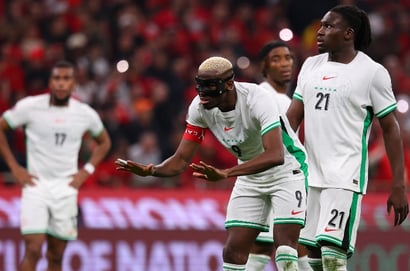
Super Eagles
FIFA has officially thrown out Nigeria's appeal against DR Congo, effectively nailing the coffin on the Super Eagles' hopes for a "back-door" entry into the 2026 World Cup.
The decision by the FIFA Disciplinary Committee to dismiss the Nigeria Football Federation’s (NFF) petition over player eligibility means that for the second consecutive tournament, the giant of Africa will be conspicuously absent from the global football stage. While the NFF has indicated a further move toward the Court of Arbitration for Sport (CAS), the reality for fans and businesses is now set: the Super Eagles will not fly in the USA, Canada, and Mexico.
The heartbreak on the pitch is now being eclipsed by a staggering financial reality off it. While the emotional toll on a football-obsessed nation is immense, the economic fallout is measured in lost grants, stagnant sponsorship deals, and a massive hit to the local hospitality sector.
The Direct Loss of FIFA Prize Money
The most immediate blow hits the coffers of the Nigeria Football Federation. FIFA confirmed a record-breaking prize pool for this expanded 48-team tournament, which includes a guaranteed participation fee of approximately $9 million for every qualifying nation plus an additional $1.5 million in preparation funds.
By failing to qualify, Nigeria has forfeited at least $10.5 million, which translates to over ₦16 billion at current exchange rates. These are vital funds typically earmarked for grassroots development, coaching salaries, and the maintenance of national stadiums like the Moshood Abiola National Stadium.
The Sponsorship and Marketing Drought
The Super Eagles represent Nigeria’s most marketable brand, and a World Cup year usually triggers a gold rush for corporate partnerships. Marketing experts estimate that the NFF and the sports ministry lose out on over $50 million in potential new activations and local endorsements when the team is sidelined.
Major brands in the telecommunications, banking, and beverage sectors often pull back their "World Cup budgets" when there is no national team to rally behind, significantly weakening the NFF’s future bargaining power for kit deals and high-profile friendly match appearance fees.
Impact on Local Businesses and the Informal Economy
The World Cup traditionally provides a massive seasonal boost to the Nigerian informal economy, but an "Eagles-free" summer threatens this revenue stream. Thousands of local viewing centres across cities like Lagos, Kano, and Port Harcourt usually see a revenue increase of up to 60% during Nigerian match days.
Without the national team in the mix, many fans will opt for home viewing rather than gathering at bars and beer parlours, leading to a significant dip in the hospitality sector and beverage sales nationwide.
Player Market Value and Transfer Losses
The World Cup serves as the ultimate global showroom for athletic talent. Historically, standout performances at the Mundial have led to multi-million dollar transfers for Nigerian players to elite European clubs.
For the current crop of young stars, missing the 2026 spotlight means missing the international exposure that naturally inflates transfer fees. This indirectly affects the broader Nigerian economy through reduced foreign remittances and lower brand value for Nigerian professional athletes operating abroad.
The Diaspora Disconnect and Soft Power
With the 2026 tournament being hosted in North America, home to one of the largest Nigerian diaspora populations, the missed opportunity is even more profound. Thousands of Nigerians would have travelled from Lagos and Abuja to the US and Canada, fueling the travel and tourism industry.
Beyond the numbers, the "soft power" and cultural visibility Nigeria gains during a World Cup are unquantifiable but essential for international relations and the global perception of "Brand Nigeria."
Conclusion and the Path to 2030
The cost of missing the 2026 World Cup is far more than just a sports headline; it is a multi-billion-naira economic setback that will be felt from the glass offices of the NFF down to the street-side viewing centres.
FIFA's dismissal of the NFF protest must serve as a final wake-up call for structural reforms within Nigerian football administration to ensure the country is never again left out of the world’s biggest sporting economy.
Top Betting Sites
Betting offers
Upcoming Events
10 April 2026
- Paris FC v Monaco -
- Soccer
- Augsburg v TSG Hoffenheim -
- Soccer
- Roma v Pisa -
- Soccer
- West Ham v Wolverhampton -
- Soccer
- Real Madrid v Girona -
- Soccer
- West Brom v Millwall -
- Soccer
- Marseille v Metz -
- Soccer
11 April 2026
- Arsenal v Bournemouth -
- Soccer
- Brentford v Everton -
- Soccer
- AC Milan v Udinese -
- Soccer
- Liverpool v Fulham -
- Soccer
- Barcelona v Espanyol -
- Soccer
- Atalanta v Juventus -
- Soccer
- Sevilla v Atletico Madrid -
- Soccer
Load More



